

To help you find the colonoscopy information you’re most interested in, use the links below to jump directly to specific sections of this page.
Selecting a Colonoscopy Doctor in Plano, TX
Not all colonoscopy doctors are the same, and choosing the right physician can make a difference in the quality of your screening. Here are some important factors to consider when selecting a colonoscopy doctor in Plano, TX.
Why Choose Dr. Kenneth Brown for Your Colonoscopy?
- Board-Certified Gastroenterologist
(Dr. Brown is a board-certified gastroenterologist specializing in digestive health and colon cancer prevention.) - Fellowship-Trained in Gastroenterology
(University of Texas Health Science Center) - Adenoma Detection Rate (ADR): 51.7%
(National benchmark: ~25% overall; higher detection lowers cancer risk) - Average Withdrawal Time: 7.6 minutes
(National recommendation: ≥6 minutes for a thorough exam; this is the time a doctor spends looking for polyps as they slowly remove the colonoscope) - Cecal Intubation Rate: 98%
(Target benchmark: >95% complete exams; measures how often the doctor reaches the very end of the large intestine during a colonoscopy) - 20,000+ Colonoscopies Performed since 2004
- Accredited Ambulatory Surgery Center Setting
(Benefits are lower facility fees and infection risks; Dr. Brown performs all colonoscopy procedures at the Digestive Health Center of Plano) - Open Access Scheduling Available
(Save time and copay expense by skipping the office appointment prior to colonoscopy. Learn more about Open Access Scheduling)
When selecting a colonoscopy doctor, these quality indicators can give you confidence that your screening is being performed with precision and care.
Other Colonoscopy Selection Factors
- Insurance: Click to view the list of our accepted insurance providers
- Self-Pay: Call our office for our colonoscopy fees (facility, doctor, biopsy)
- Reviews: Click here to see our online reviews
- Dr. Kenneth Brown: Learn more by visiting his bio page (education, work experience, certification, licensure)
If you are age 45 or older and due for colon cancer screening, request your colonoscopy today.
Prep Insturctions
In preparation for a colonoscopy, the colon must be completely empty so the colon lining is completely visible. To clean the colon, your gastroenterologist will instruct you on taking a laxative pre-preparation in order to completely vacate your bowels the night before your test. In addition, you will be instructed to be on a liquid diet 24 hours prior to the procedure. It is important to read all instructions provided to you thoroughly in order to obtain the best results.

“Doing a good job with your prep allows me the best opportunity to find and remove polyps should they exist.”
Kenneth Brown, MD
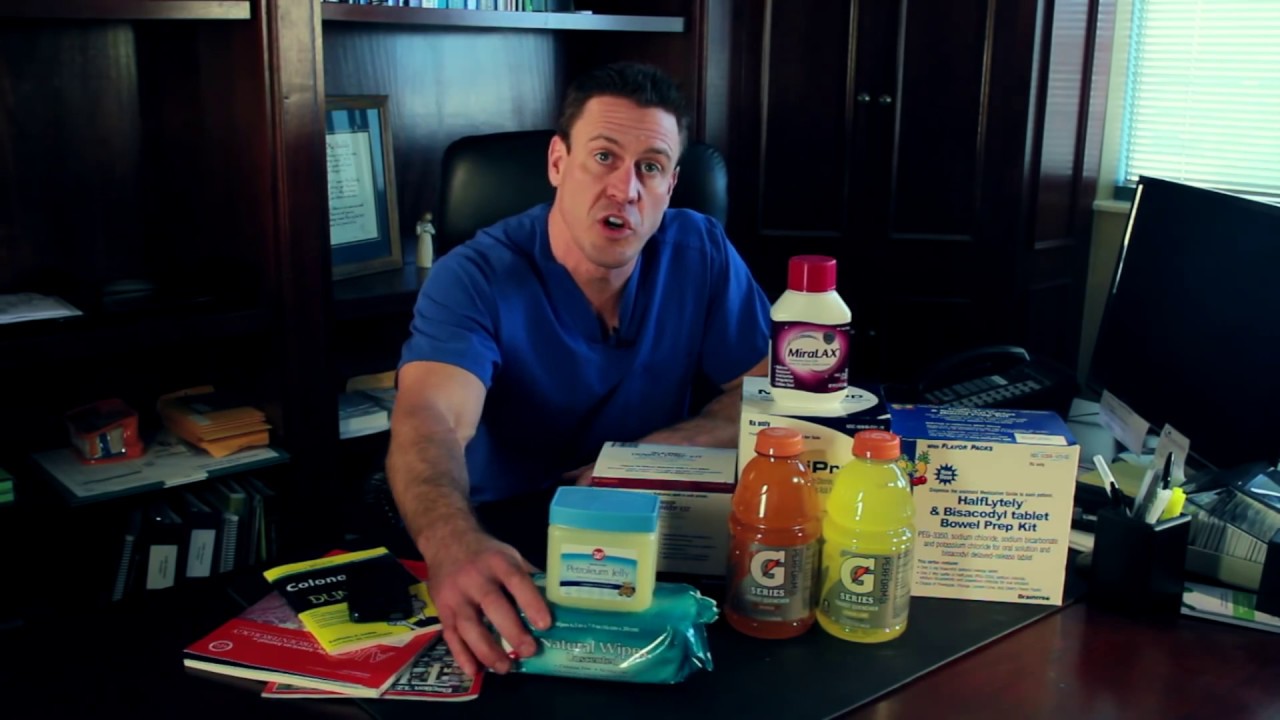
Dr. Brown’s Prep Tips
Learn the tips Dr. Brown offers his patients on how to best approach the colonoscopy prep. Being properly prepared can make for a much easier experience. Good luck!
Colonoscopy FAQs
What is a colonoscopy and why is it so important?
A colonoscopy allows your doctor to examine the lining of your colon and rectum using a thin, flexible tube with a small camera.
Dr. Brown uses it to check for inflammation, ulcers, polyps, and early signs of colorectal cancer.
Colonoscopy is considered the “gold standard” colon cancer screening test because it is the only exam that allows the doctor to detect and remove polyps during the same procedure, which can help prevent cancer from developing.
Who should get a colonoscopy and when should screening start?
For most people at average risk, colon cancer screening should begin at age 45 and repeat every 10 years if the exam is normal.
You may need earlier or more frequent screening if you have:
- A personal or family history of colon cancer or polyps
- Crohn’s disease or ulcerative colitis
- A history of abdominal or pelvic radiation
- Certain hereditary syndromes
If you’re unsure when to start screening, Dr. Brown’s team can help review your risk factors.
How does a colonoscopy help prevent colon cancer?
Most colon cancers begin as small polyps that grow slowly over many years.
During a colonoscopy, Dr. Brown can:
- Find polyps before they become cancer
- Remove them immediately
- Biopsy suspicious tissue
This ability to detect and remove precancerous polyps is why colonoscopy significantly reduces colon cancer deaths.
What symptoms might mean I need a colonoscopy sooner?
You should speak with a doctor if you notice:
- Rectal bleeding or blood in stool
- Changes in bowel habits
- Persistent abdominal pain
- Unexplained weight loss
- Anemia
These symptoms do not always mean cancer, but they should never be ignored.
What is an Open Access colonoscopy in Plano?
Open Access colonoscopy allows eligible patients to schedule screening without a separate office visit.
- Complete a secure health questionnaire
- Dr. Brown’s team reviews the information
- If appropriate, we will schedule your colonoscopy directly
This saves time and avoids an additional copay while maintaining safety.
What happens during a colonoscopy?
- You meet the nursing and anesthesia team.
- You receive sedation for comfort.
- Dr. Brown will guide the colonoscope through the colon while viewing the lining on a monitor.
- Polyps can usually be removed immediately.
The procedure itself usually takes about 30 minutes.
Is a colonoscopy painful?
Most patients say the colonoscopy is easier than expected.
Sedation allows you to sleep comfortably during the exam, and most people do not remember the procedure.
You may feel mild bloating afterward, but this typically resolves quickly.
How do I prepare for a colonoscopy?
Preparation includes:
- A clear liquid diet the day before
- Drinking a bowel preparation solution
- Following detailed prep instructions
Good preparation allows Dr. Brown to clearly see and remove polyps.
Can I take my usual medications?
Most medications can be continued, but some may need to be adjusted.
This is especially important for:
- Blood thinners
- Diabetes medications
- Certain supplements
Our office will review your medication list and give specific instructions.
Will I be able to drive myself home?
No. Because sedation is used, you must arrange for a responsible adult to drive you home.
Most patients return to normal activities the following day.
What are the risks of colonoscopy?
Colonoscopy is very safe, but rare complications can include:
- Bleeding
- Sedation reactions
- Very rarely, a perforation of the colon
Your medical history is carefully reviewed beforehand to minimize risk.